What are Airborne Contaminants and Workplace Exposure Standards?
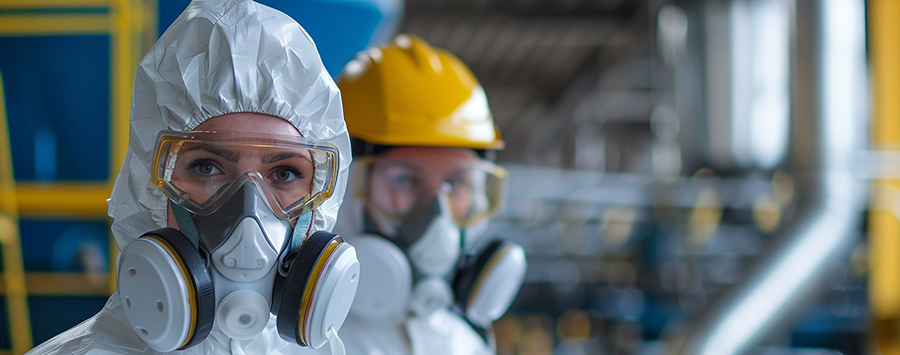
Airborne contaminants are fumes, mists, gases, vapours or dusts that can cause adverse health effects, such as developing an occupational lung disease, when breathed in. The health risk from airborne contaminants in the workplace must be managed by employers and persons conducting a business or undertaking (PCBUs). This can be done by eliminating the airborne contaminants or minimising them as far as reasonably practicable.
An exposure standard is the airborne concentration of a substance within a person’s breathing zone that must not be exceeded. The Workplace Exposure Standards for Airborne Contaminants (WES List) provides concentration limits for over 600 substances and exists to help ensure that nobody in a workplace is exposed to an airborne contaminant at an unsafe and unhealthy level. Generally, the WES are set at the lowest concentration level that is unlikely to cause an adverse effect.
Workers can be exposed to risks from airborne contaminants during:
- construction work
- excavation work
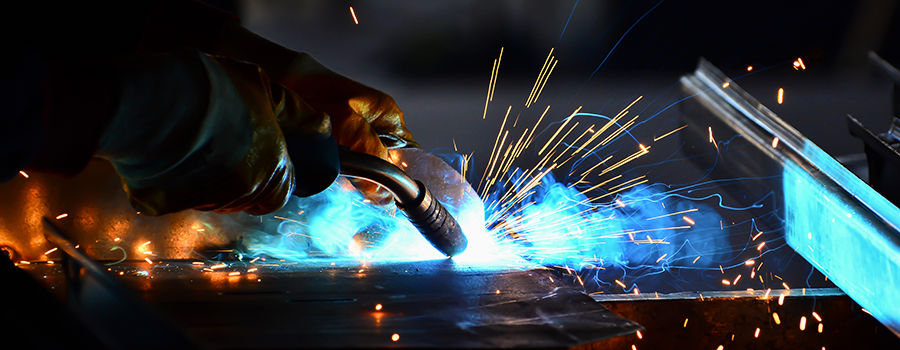
- welding
- use of plant that generates dust or fumes
- work with engineered stone products, such as processing, installation and removal
- mining, tunnelling and quarrying
- use of inorganic pesticides and herbicides
- work with animals.
Review of the WES List
Australia adopted the WES List in 1995, and the last comprehensive review was completed in 2003. From 2018 onwards, the WES List has undergone another comprehensive review to ensure that it is up to date with new research and evidence emerging about the healthy thresholds for chemicals and dangerous goods.
Transition from WES to WEL
On 1 December 2026 the Workplace Exposure Standards for Airborne Contaminants will become the Workplace Exposure Limits for Airborne Contaminants (WEL List). The new WEL List will only become mandatory once implemented in workplace health and safety laws, and a transitional period for duty holders to comply with the new updates will be provided. Until 1 December 2026, employers and PCBUs must continue to comply with the current WES List.
The name has changed for consistency with language used internationally and to make it clear that the values in the WEL List are not allowed to be exceeded.
What is changing
From 1 December 2026, the changes below will come into effect. Specific changes can be found in Safe Work Australia’s guidance document which details comparisons between the exposure limits that are increased, decreased, added or removed in the new WEL List, among other things. There will be no changes to obligations under the model work health and safety regulations because of this transition.
Individual exposure limits
Changes to exposure limits include:
- the addition of 31 extra airborne contaminants to the WEL List (a list is available here)
- the increase or decrease of exposure limits for many airborne contaminants (changed limits can be found here)
- the removal of 6 airborne contaminants because they are prohibited for import, manufacture and use in Australia, specifically aldrin, chlordane, Dichlorodiphenyl-trichloroethane (DDT), dieldrin, endrin and heptachor
- the removal of 33 airborne contaminants that are non-threshold genotoxic carcinogens (NTGCs) (a list is available here)
- the merger or division of certain groups of airborne contaminants.
Notations
Advisory notations in the WEL List identify additional health risks that airborne contaminants may cause. There are several changes to notation in the WEL List:
- Sensitisation (SEN) has been split into:
- dermal (skin) sensitisation (DSEN) for contaminants that can cause an allergic reaction upon skin contact, and
- respiratory sensitisation (RSEN) for contaminants that can cause hypersensitivity of the airways after inhalation
- Ototoxicity (OTO) has been added for contaminants that can increase the risk of hearing loss
- Carcinogenicity (CARC) has been removed as this notation only identifies a possible hazard property and classification and does not affect exposure levels in the workplace.
Non-Threshold Genotoxic Carcinogens
As mentioned above, 33 chemicals classified as non-threshold genotoxic carcinogens (NTCGs) have been removed from the new WEL List and will no longer have an exposure standard. NTCGs do not have a safe exposure limit because they can cause genetic damage and may lead to cancer. The current guidelines for managing NTCGs is to take all reasonable measures to prevent workers from being exposed to NTCGs and to reduce the presence of NTCGs as far as reasonably practicable. PCBUs are required to comply with the exposure standards for NTGCs in the old WES List until 1 December 2026.
Monitoring
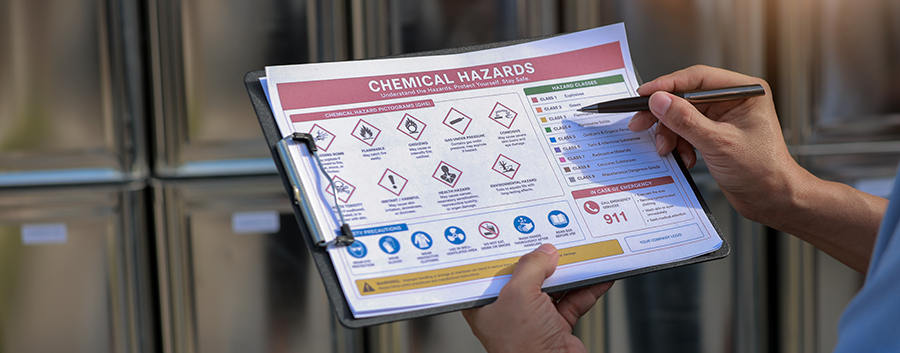
Monitoring should be completed to determine compliance with the WES/WEL and identify whether any limits have been exceeded for an airborne contaminant. It provides insight into the extent (if any) of worker exposure to contaminants, which processes or products are the source and the effectiveness of any control measures.
Monitoring types:
- Air monitoring by testing samples of air in workers’ breathing zones using a personal sampler, undertaken by someone with relevant qualifications, such as an occupational hygienist
- Health monitoring by a registered medical practitioner, to identify any change in a worker’s health due to exposure to hazardous chemicals.
Risk Management
Respiratory protective equipment can be used to minimise risk from airborne contaminants and improve health outcomes, however it should not be the first line of defence. It is important to aim to eliminate hazards, and where this is not possible, to use the hierarchy of control measures to minimise risks from hazardous substances so far as is reasonably practicable.
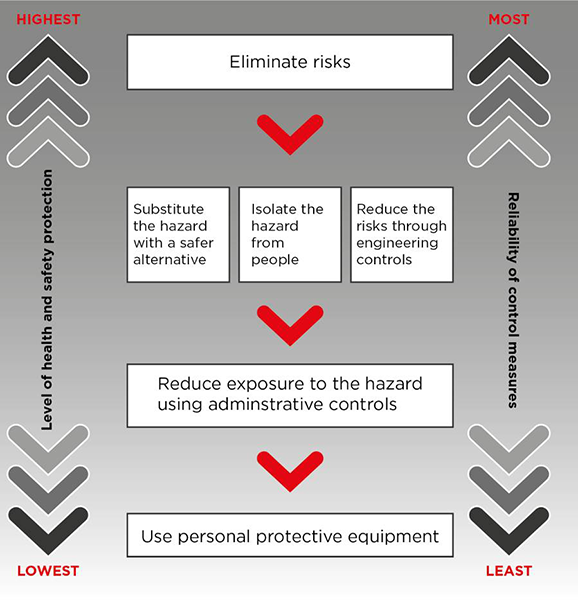
Source: Safe Work Australia Webpage: Managing Risks
Outside of the WES/WEL
The WES/WEL is not the only factor affecting whether the level of airborne contaminants at a workplace is safe or unsafe. For workers with other individual susceptibilities or conditions, exposure to airborne contaminants at levels below the exposure limits may still cause harm. This reinforces the importance of elimination as a control where reasonably practicable. Additionally, there are dangerous substances and hazardous chemicals that do not have a mandatory exposure standard or limit. Despite this, risk management must still be undertaken to maintain a safe and healthy working environment.
Next Steps
Before 1 December 2026, it is recommended that you:
- familiarise yourself with the new WEL List, any changes to exposure limits (especially changes for airborne contaminants used or generated in your workplace) and related obligations for PCBUs and workers
- read the guidance provided by Safe Work Australia and individual state and territory regulators
- conduct a review of work processes and controls to determine any changes that might need to be made.
Further information about the transition to the WEL List can be found on Safe Work Australia’s website or by contacting your state or territory workplace health and safety regulators. Further guidance will continue to be published throughout the year, and Environment Essentials will continue to provide updates during the transition period and beyond.
References
- Safe Work Australia Publication: Changes to Workplace Exposure Limits
- Safe Work Australia Publication: Conducting a Risk Assessment for Airborne Contaminants
- Safe Work Australia Publication: Risk Assessments for Airborne Contaminants
- Safe Work Australia Publication: Workplace Exposure Limits for Airborne Contaminants
- Safe Work Australia Publication: Workplace Exposure Standards for Airborne Contaminants (2025)
- Safe Work Australia Webpage: Air Monitoring
- Safe Work Australia Webpage: Aluminium (Welding Fumes) WES Reduction – Updated
- Safe Work Australia Webpage: Changes Between the WES and WEL
- Safe Work Australia Webpage: Exposure Standards – Airborne Contaminants
- Safe Work Australia Webpage: Managing Risks
- Safe Work Australia Webpage: New Workplace Exposure Limits (WEL) to Apply from 1 December 2026
- Safe Work Australia Webpage: Occupational Lung Diseases
- Safe Work Australia Webpage: Workplace Exposure Limits – Airborne Contaminants
- Safe Work Australia Webpage: Workplace Exposure Standards Review
- SafeWork NSW Webpage: Health Monitoring
- SafeWork NSW Webpage: Workplace Exposure Standards
- WorkSafe Victoria Webpage: Exposure Standards and Atmospheric Monitoring
- WorkSafe Victoria Webpage: Workplace Exposure Standards/Limits
- WorkSafe WA Webpage: Workplace Exposure Standards or Limits